
 Written by
 Vision, Principles, and Benefits
The Hive Community Garden is more than a place to grow food. It is a living system designed to nourish the land, strengthen the community, and teach practical skills that support a healthy and sustainable way of life.
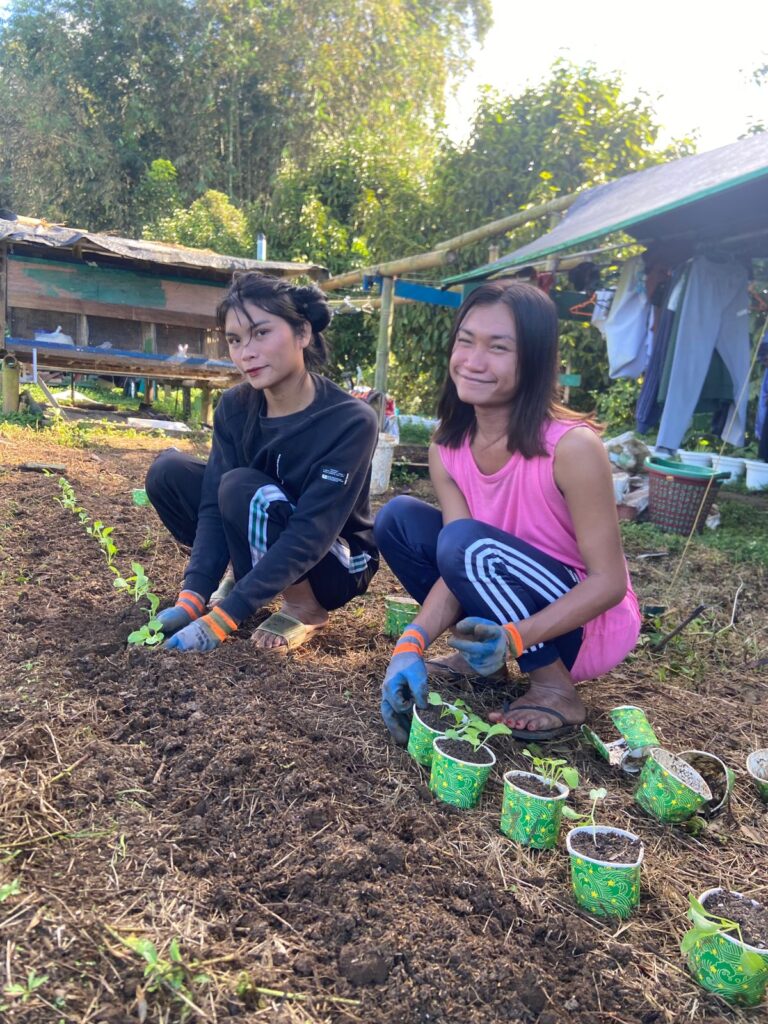
At its core, the garden exists to serve three purposes:
- Feed the Hive Community
- Teach sustainable growing practices
- Restore health—to the soil, the body, and the mind
Garden Vision
The long-term goal of the Hive Community Garden is to become a self-sustaining ecosystem that produces its own fertilizer, improves soil health year after year, and reduces dependency on external inputs.
Rather than relying on chemical fertilizers, the Hive focuses on closed-loop nutrition, using locally available and natural materials to enrich the soil and grow clean, healthy food.
The garden is designed to benefit:
- Hive members and residents
- The local community
- Visitors and students who wish to learn from our methods
- Future generations who will inherit the land and knowledge
Fertilizer & Soil Philosophy
Healthy soil is the foundation of all healthy communities.
The Hive Community Garden focuses on producing its own organic fertilizer using:
- Chicken manure – a rich source of nitrogen and essential nutrients
- Lime – to balance soil pH and improve nutrient availability
- Leaves and organic plant waste – to add carbon, structure, and microbial life
- Rice husks – to improve drainage, aeration, and long-term soil health
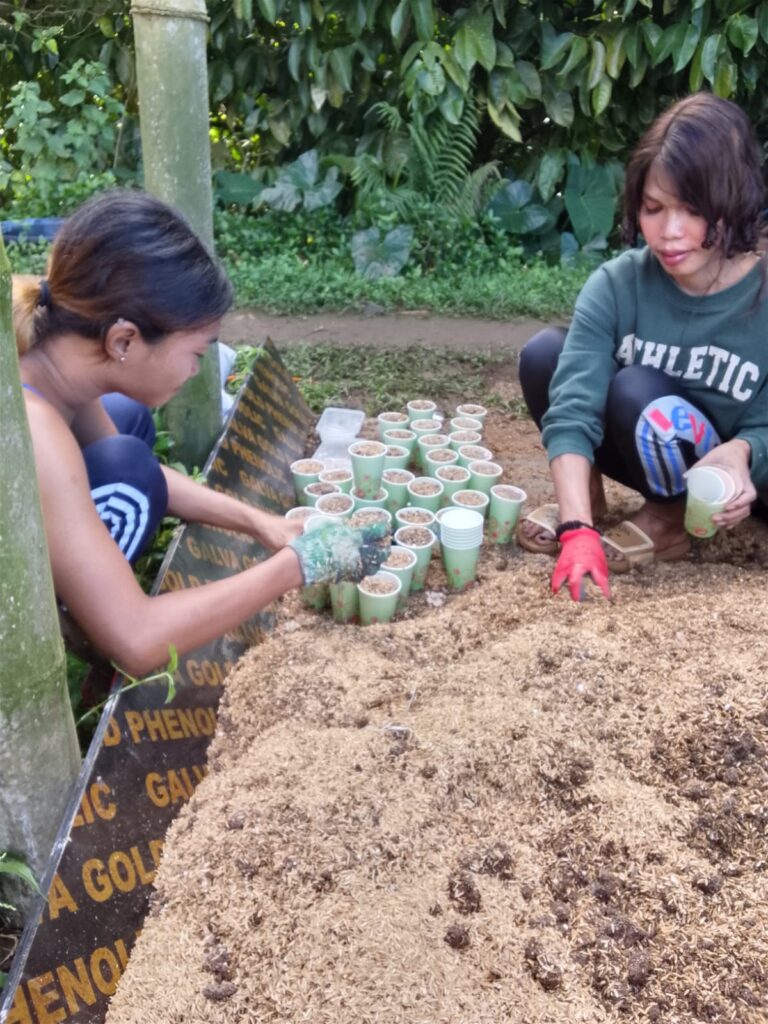
These ingredients are combined through composting and natural breakdown processes to create living soil that becomes more fertile each season.
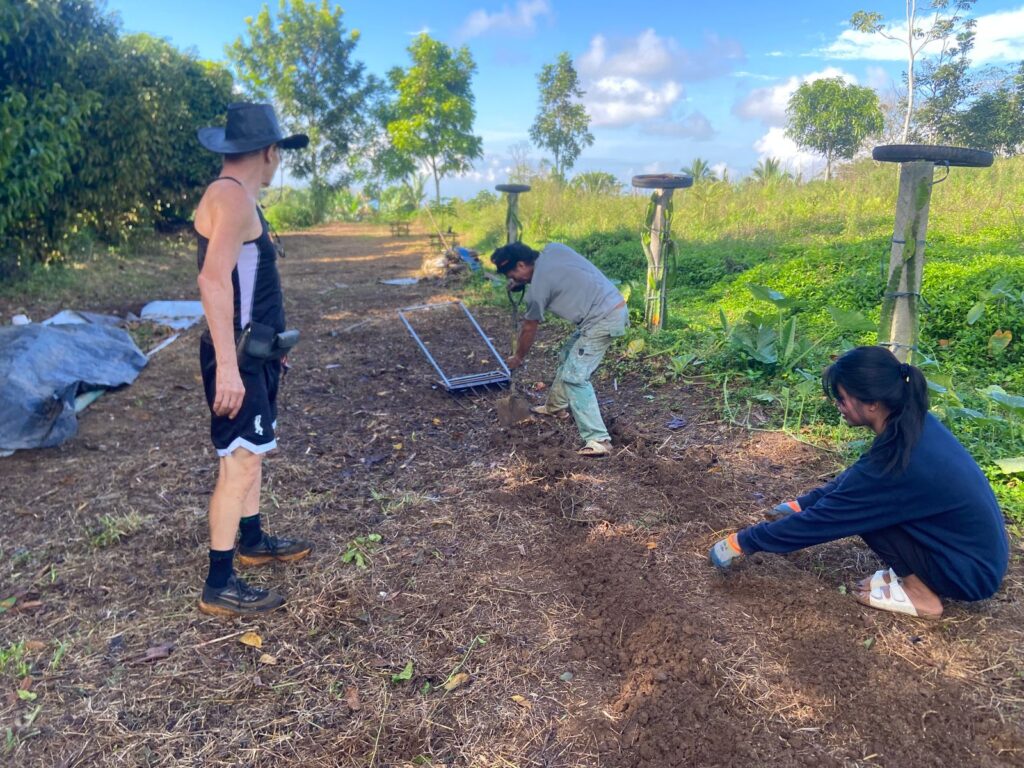
This approach:
- Reduces waste
- Eliminates reliance on chemical inputs
- Builds long-term soil resilience
- Creates a repeatable model others can copy
Guiding Principles of the Hive Garden
1. Self-Reliance
The garden is built to support itself and its people. By producing fertilizer, compost, and seeds internally, the Hive reduces dependency on external systems.
2. Sustainability
Everything returned to the soil is natural and regenerative. The goal is not short-term yield, but long-term abundance.
3. Community Benefit
Food grown in the Hive Garden first supports the community. Surplus can be shared, sold, or used to fund garden expansion and education.
4. Education Through Doing
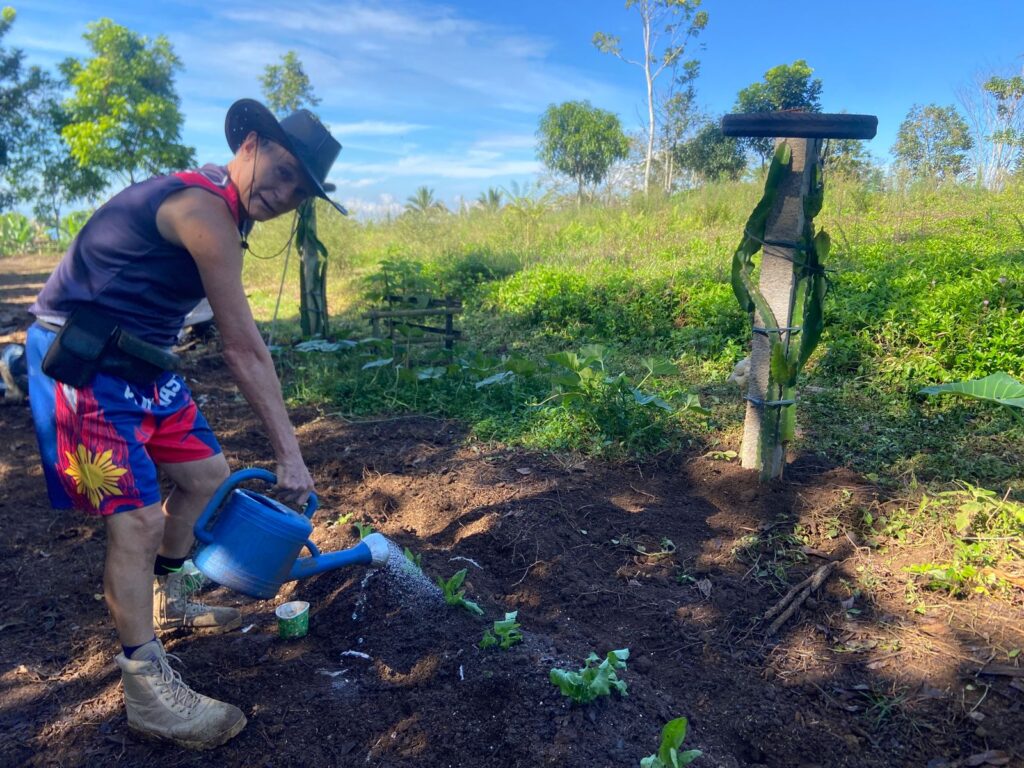
The garden is a hands-on learning space. Members and visitors learn by participating—observing soil improvement, plant growth, and ecosystem balance over time.
5. Health Through Movement
Gardening is physical work done with purpose. Digging, planting, carrying, and harvesting provide natural exercise without the need for gyms or artificial routines.
6. Diversity Over Monotony
A variety of plants, tasks, and techniques keeps the garden resilient and the people engaged. No one does the same task all day.
7. Respect for Nature
The garden works with natural cycles, not against them. Seasons, soil life, insects, and weather are all teachers.
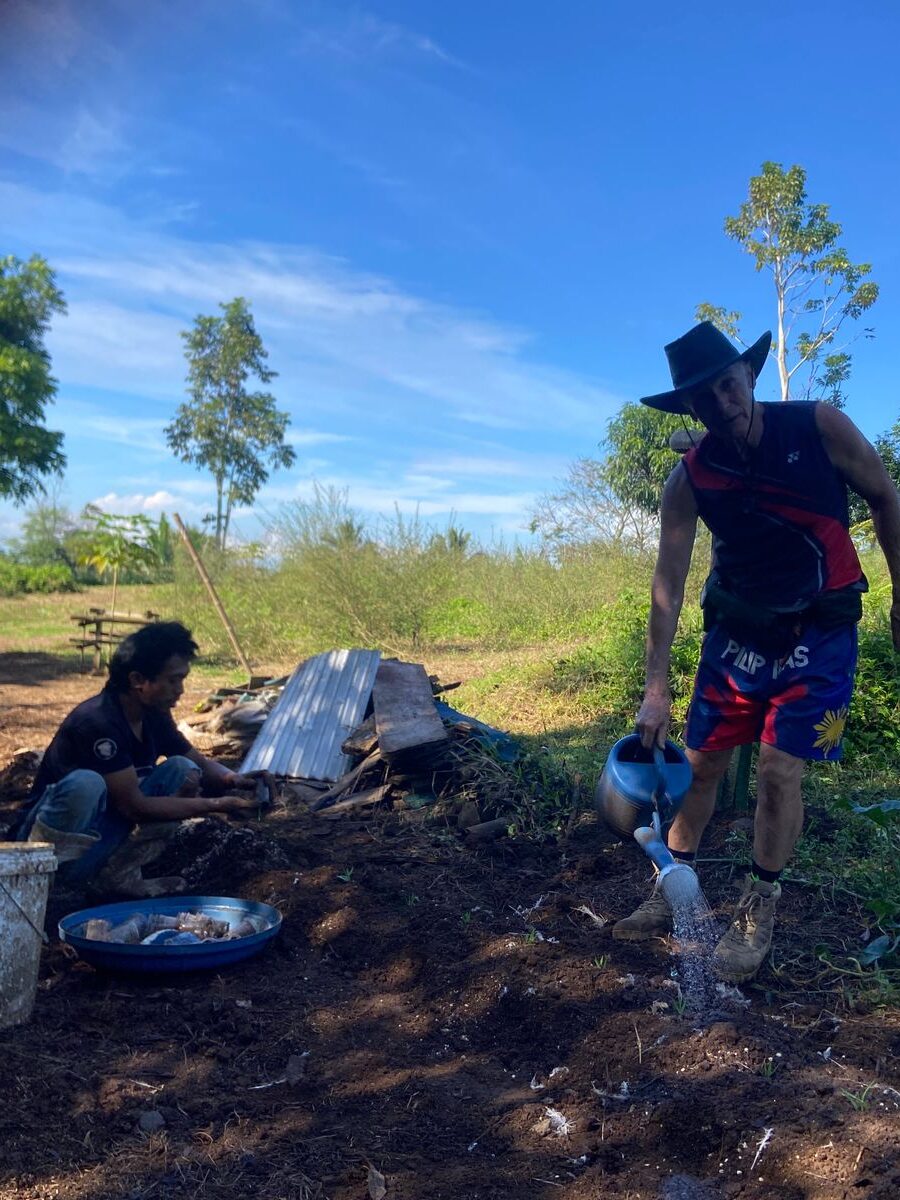
Benefits to the Hive Community
Physical Health
Gardening provides daily movement, strength, flexibility, and endurance. Even short periods of digging or planting offer excellent exercise without strain.
Mental Wellbeing
Working with plants reduces stress, increases focus, and creates a deep sense of grounding and calm.
Nutritional Health
Fresh, organically grown food improves diet quality and overall energy levels.
Social Connection
The garden is a shared space. People work together, talk, laugh, and build trust while accomplishing meaningful tasks.
Skill Development
Members gain practical skills in composting, soil management, plant care, and sustainable food production—skills that remain valuable regardless of economic systems.
Economic Opportunity
Surplus produce, plants, or compost can be sold locally, supporting the Hive while keeping food affordable and clean.
A Garden That Teaches
The Hive Community Garden is designed to be open and transparent. Others are encouraged to observe, ask questions, and learn from both successes and mistakes.
This is not about perfection.
It is about participation, learning, and growth.
By documenting processes and sharing knowledge, the Hive creates a model that can be replicated in other communities, climates, and cultures.
The Bigger Purpose
The garden represents the Hive philosophy in physical form:
- Care for the land
- Care for the people
- Share the surplus
Through soil, sweat, and shared effort, the Hive Community Garden grows more than food—it grows resilience, connection, and a healthier way of living